
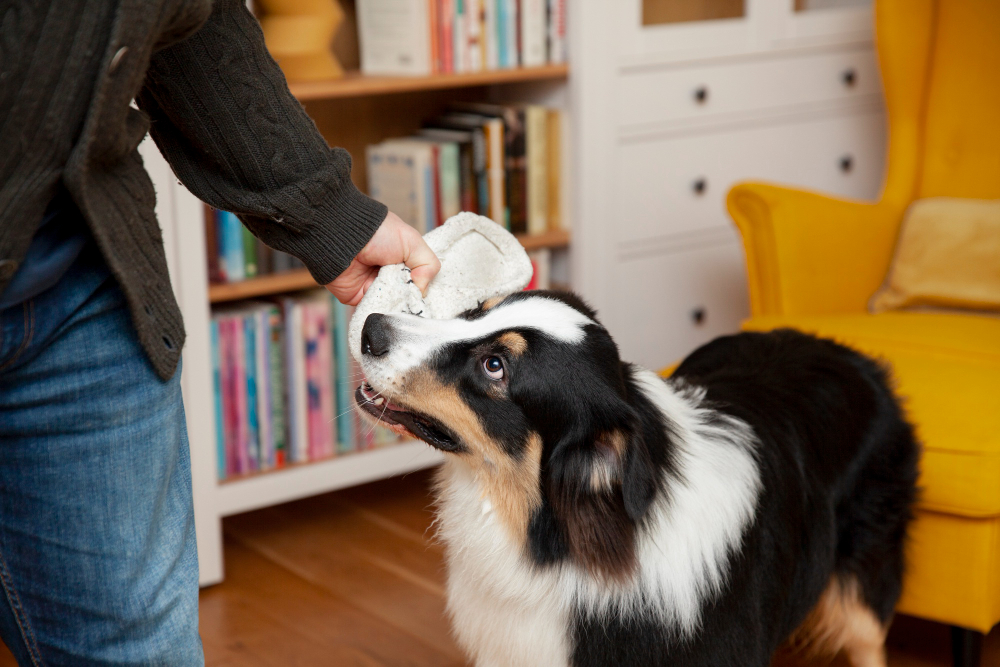
Welcoming a new puppy is exciting, but it also brings big responsibility. The first year is crucial for your puppy’s health and happiness. Focusing on puppy health first year essentials helps your puppy grow strong and stay safe. In this guide, you’ll find puppy care tips, a puppy vaccination schedule, puppy nutrition advice, and a helpful puppy wellness checklist. Let’s make sure your puppy’s first year is healthy and joyful.
Why the First Year Matters for Puppy Health
The first year shapes your puppy’s future. During this time, puppies grow fast and learn many new things. Because their bodies and minds are developing, they need extra care. For example, regular checkups and healthy habits now can prevent problems later. Also, early training and socialization help puppies become well-behaved adults. If you live in a busy city or a quiet town, these steps are important everywhere.
Essential Puppy Vaccinations and Vet Visits
Vaccinations protect your puppy from serious diseases. Most puppies need their first shots at 6–8 weeks old. After that, they get booster shots every few weeks until about 16 weeks old. Your vet will give you a puppy vaccination schedule to follow. Here’s a basic list of common vaccines:
Besides vaccines, regular vet visits help catch health issues early. Your vet will check your puppy’s weight, teeth, and overall health. In addition, they may suggest tests for worms or fleas. According to the American Veterinary Medical Association (AVMA), early vet care is key for a healthy start.
Nutrition and Feeding Guidelines for Puppies
Proper nutrition is vital for growing puppies. Puppies need more protein, fat, and certain vitamins than adult dogs. Always choose high-quality puppy food. For example, look for brands that meet standards set by the Association of American Feed Control Officials (AAFCO). Feed your puppy three to four small meals a day. As your puppy grows, you can slowly reduce the number of meals. Fresh water should always be available. If you’re unsure about the best food, ask your vet for advice on puppy nutrition.
Common Puppy Health Issues and Prevention
Puppies can face several health problems in their first year. However, many issues are preventable with good care. Watch for these common concerns:
To help prevent these issues, keep your puppy’s living area clean. Also, follow your vet’s advice on deworming and flea control. If you notice signs like vomiting, itching, or loss of appetite, contact your vet right away.
Grooming and Hygiene Basics
Good grooming keeps your puppy healthy and comfortable. Even short-haired puppies need regular brushing. This removes loose fur and helps you spot skin problems early. In addition, bathe your puppy only when needed, using gentle puppy shampoo. Trim nails every few weeks, and check ears for dirt or redness. Clean teeth with a soft brush and dog-safe toothpaste. These habits help prevent infections and keep your puppy looking great.
Exercise, Socialization, and Mental Stimulation
Puppies have lots of energy. Daily exercise helps them stay fit and burn off steam. Short walks, gentle play, and safe toys are great choices. Socialization is also important. Introduce your puppy to new people, pets, and places. This helps prevent fear and bad behavior later. Mental stimulation, like puzzle toys or simple training games, keeps your puppy’s mind sharp. According to experts, well-socialized puppies are happier and healthier.
Home Safety and Puppy-Proofing Tips
Keeping your home safe is a big part of puppy care. Puppies love to explore, so remove anything they could chew or swallow. For example, keep cleaning products, small objects, and electrical cords out of reach. Use baby gates to block off unsafe areas. Store food and trash in closed bins. If you have a yard, check fences for gaps. With these steps, you can prevent accidents and keep your puppy safe at home.
When to Consult a Veterinarian
Sometimes, puppies get sick or hurt even with the best care. If your puppy shows signs like vomiting, diarrhea, trouble breathing, or sudden tiredness, call your vet right away. Also, if your puppy stops eating or drinking, it’s time for a checkup. Regular vet visits are important, but don’t wait if you notice something unusual. Your vet is your best partner in keeping your puppy healthy.
In summary, caring for a puppy in the first year takes time and effort. However, these steps help your puppy grow into a happy, healthy dog. For personalized puppy health guidance, consult your veterinarian.