
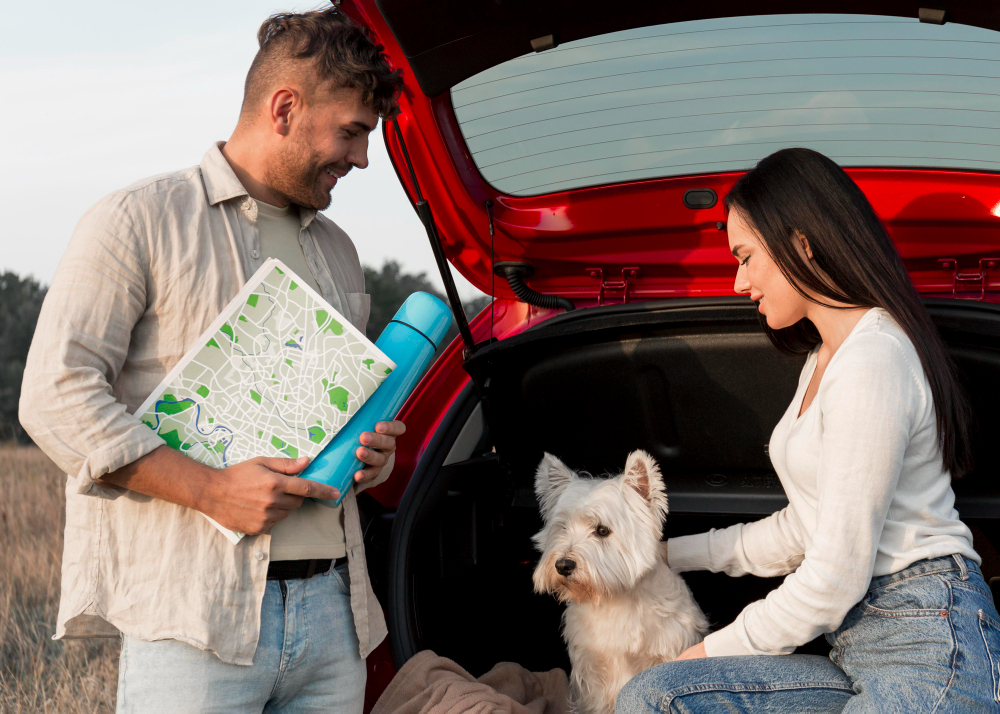
Traveling with pets can be a joyful experience, but it also requires careful planning. Safe pet travel is important for both your peace of mind and your pet’s well-being. Whether you are taking a road trip or flying to a new city, following pet travel safety tips helps ensure a smooth journey. In this guide, you will learn how to prepare pets for travel, keep them safe, and make the trip enjoyable for everyone.
Why Pet Travel Safety Matters
First, your pet’s safety should always come first. Pets can get stressed or sick during travel. In some cases, accidents or escapes may happen. Therefore, taking steps to protect your pet helps prevent problems. Safe pet travel also keeps other travelers and animals safe. According to the CDC, proper planning reduces the risk of injury and illness for pets on the move.
Pre-Travel Preparation
Before you leave, it is important to get ready. Good preparation makes travel easier for both you and your pet. Here are some key steps:
Additionally, create a safe pet travel checklist to avoid missing anything important.
Choosing the Right Travel Method
Next, think about how you will travel. Each method has its own rules and safety tips.
For popular destinations like New York or Los Angeles, check local pet travel regulations before you go.
Safety Tips During Travel
While on the road, your pet’s comfort and safety are key. Here are some important tips:
Moreover, always watch for signs of stress or illness during the trip.
Managing Pet Anxiety and Health on the Road
Many pets feel anxious when traveling. However, you can help them stay calm. Try these tips:
Additionally, watch for signs of motion sickness, such as drooling or vomiting. If you notice these, stop and let your pet rest. The American Veterinary Medical Association suggests short practice trips to help pets adjust before long journeys.
Legal and Health Considerations
Before you travel, check the legal and health rules for your destination. Many places require up-to-date vaccinations, especially for rabies. Some countries or states have quarantine rules for pets. Always carry copies of your pet’s health records. For international travel, visit the USDA or CDC websites for the latest requirements. Following these rules helps protect your pet and others from disease.
Post-Travel Care and Monitoring
After you arrive, your pet may need time to adjust. Watch for signs of stress, such as hiding or not eating. Offer food, water, and a quiet place to rest. If your pet seems sick or acts strangely, contact a veterinarian right away. Finally, keep your pet’s routine as normal as possible to help them settle in.
Conclusion
Traveling with pets can be safe and enjoyable with the right preparation. Always follow pet travel safety tips and use a safe pet travel checklist. Consult your veterinarian before traveling to ensure your pet’s safety and comfort.