
Introduction: What Are Pet Supplements?
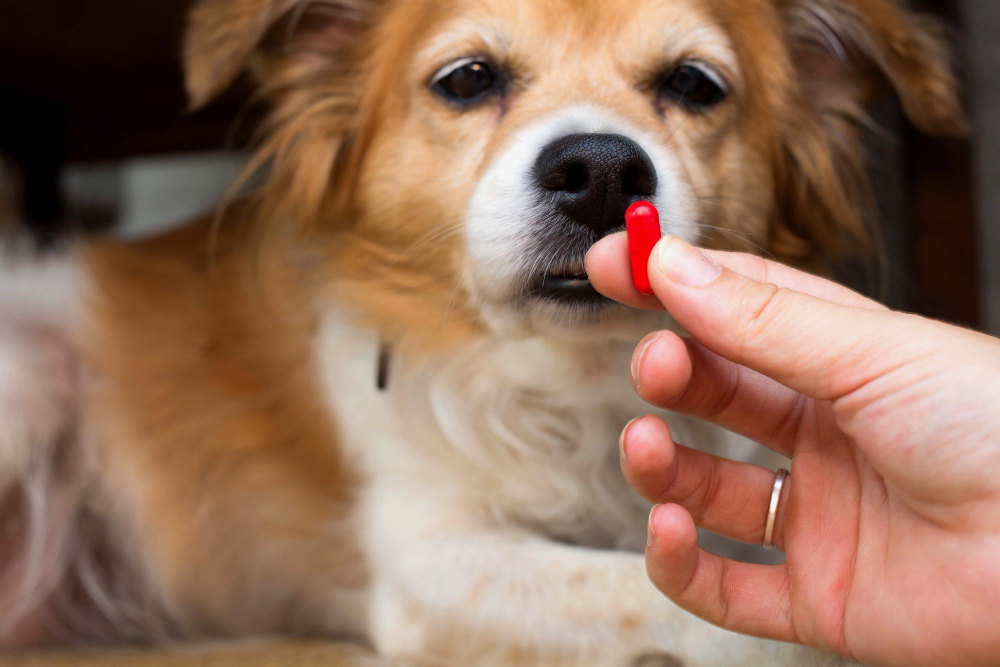
Supplements for pets are extra vitamins, minerals, or nutrients given to animals. Many pet owners use them to boost their pets’ health. In recent years, these products have become very popular. You may see them in pet stores, online, or even at your vet’s office. But do pet supplements work? Let’s explore what experts and research say about these products.
Common Types of Pet Supplements
There are many types of supplements for pets. Each one claims to help with different health needs. Here are some common types:
Because there are so many options, it’s important to know what your pet really needs.
Potential Benefits: What Do Experts Say?
Some supplements for pets may help with certain health issues. For example, joint supplements like glucosamine may help older dogs move better. Omega-3 fatty acids can improve skin and coat health. According to the American Veterinary Medical Association (AVMA), some pets with special needs may benefit from extra vitamins or minerals. However, not all products work as promised. In fact, many claims are not backed by strong research. Therefore, it’s best to talk with your veterinarian before starting any new supplement.
Risks and Side Effects of Pet Supplements
While many pet supplements seem safe, there are risks. Giving too much of a vitamin or mineral can harm your pet. For instance, too much calcium can cause bone problems. Some supplements may interact with medicines your pet already takes. In addition, some products may contain harmful ingredients or contaminants. Because the supplement industry is not tightly regulated, quality can vary. Watch for these warning signs:
If you notice any of these, stop the supplement and contact your vet right away.
How to Choose Safe Supplements for Your Pet
Choosing the right supplement is important. Here are some tips to help you:
Because some supplements may not be safe for every animal, always consult your vet first. If you live in a hot or humid area, store supplements in a cool, dry place to keep them fresh.
Prevention and Lifestyle Guidance
Supplements for pets are not a cure-all. In fact, most healthy pets do not need extra vitamins or minerals if they eat a balanced diet. Here are some ways to keep your pet healthy without extra supplements:
Because prevention is better than cure, focus on good daily care for your pet.
Conclusion: Should You Give Supplements to Your Pet?
Supplements for pets can be helpful in some cases. However, not all pets need them, and some may even cause harm. Always talk with your veterinarian before starting any supplements. They can help you decide what is best for your pet’s health. Remember, a balanced diet, exercise, and regular vet visits are the best ways to keep your pet happy and healthy.
Consult your veterinarian before starting any supplements for your pet.