
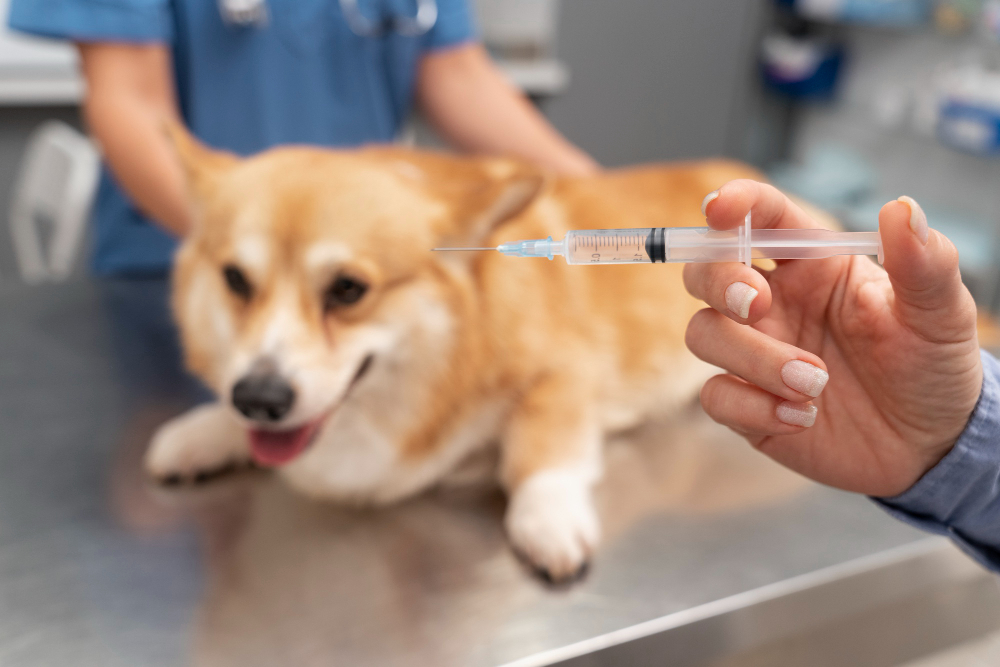
What Is Rabies and Why Is Vaccination Important?
Rabies is a deadly virus that affects the brain and nerves. It spreads through the bite or scratch of an infected animal. Once symptoms appear, rabies is almost always fatal. Because of this, rabies vaccination is very important for both people and pets. According to the World Health Organization (WHO), rabies causes thousands of deaths each year, mostly in Asia and Africa. However, vaccination can prevent almost all cases. For this reason, health experts stress the need for rabies vaccination in high-risk areas.
Key Benefits of Rabies Vaccination for Humans and Pets
Rabies vaccination offers many benefits. First, it protects people and animals from a deadly disease. Second, it helps stop the spread of rabies in the community. In addition, vaccinated pets are less likely to pass rabies to humans. Here are some main benefits:
For pet owners, regular rabies vaccination keeps pets healthy and avoids costly treatments if a bite occurs.
Legal Requirements for Rabies Vaccination
Many countries have strict rabies vaccination requirements. These laws help protect public health. For example, in the United States, most states require dogs to get a rabies vaccine by law. Some states also require cats and ferrets to be vaccinated. In the European Union, pets must have proof of rabies vaccination to travel between countries. Likewise, countries like India and Australia have their own rules for pets and travelers. Because laws vary, always check local rabies vaccine laws before traveling or moving with pets.
Not following rabies vaccination requirements can lead to fines or quarantine for pets.
How and When to Get Vaccinated
Getting a rabies vaccination is simple. For pets, most veterinarians offer the vaccine during regular check-ups. Puppies and kittens usually get their first rabies shot at 12 to 16 weeks old. After that, booster shots are needed every one to three years, depending on local laws and the vaccine used. For people, rabies vaccination is recommended if you work with animals, travel to high-risk areas, or have been bitten by an animal. In these cases, a doctor will guide you on the right schedule. Always keep your vaccination records safe for travel or legal needs.
Common Questions and Misconceptions
Many people have questions about rabies vaccination. Here are some common ones:
If you have more questions, your healthcare provider or veterinarian can help.
Prevention Tips and Public Health Guidance
Besides rabies vaccination, there are other ways to stay safe. For example, avoid contact with stray or wild animals. Always supervise children around pets. If you see an animal acting strangely, report it to local authorities. In addition, keep your pets indoors or on a leash when outside. The Centers for Disease Control and Prevention (CDC) and WHO recommend these steps to lower rabies risk:
By following these tips and keeping up with rabies vaccination, you help protect your family and your community.
Conclusion: Stay Protected with Rabies Vaccination
Rabies vaccination saves lives and is often required by law. Because rabies is so dangerous, it is important to follow local rules and keep your pets up to date. If you have questions about rabies vaccination requirements or your own risk, consult your healthcare provider or local authorities for personalized rabies vaccination guidance.