
Introduction
Dental problems in dogs and cats are very common. Many pets suffer from dental disease at some point in their lives. Good pet dental care is important because dental issues can cause pain and affect your pet’s health. Early detection and prevention help keep your pet happy and healthy. In this blog, you will learn about common dental problems in dogs and cats, their symptoms, causes, diagnosis, and how to prevent them.
Common Dental Problems in Dogs and Cats
Many pets face dental issues. Some problems are more common than others. Below are the most frequent dental problems in dogs and cats:
Symptoms to Watch For
It is important to notice signs of dental disease in pets early. Some symptoms may be easy to miss. However, if you see any of these signs, your pet may have a dental problem:
For example, if your pet avoids hard food or chews on one side, it may be due to pain.
Causes and Risk Factors
Dental problems in dogs and cats can happen for many reasons. Some causes and risk factors include:
Additionally, small dog breeds and flat-faced cats often have crowded teeth, which can trap food and bacteria.
Diagnosis
Veterinarians use several methods to diagnose dental problems in dogs and cats. First, they will examine your pet’s mouth for signs of disease. Next, they may use dental X-rays to check for hidden issues below the gum line. Sometimes, pets need to be under anesthesia for a full dental exam. This helps the vet see all teeth and gums clearly. Early diagnosis is key to preventing serious problems.
Treatment Options
Treatment depends on the type and severity of the dental problem. Common treatments include:
In some cases, your vet may recommend special dental diets or chews to help keep teeth clean.
Prevention and Home Care Tips
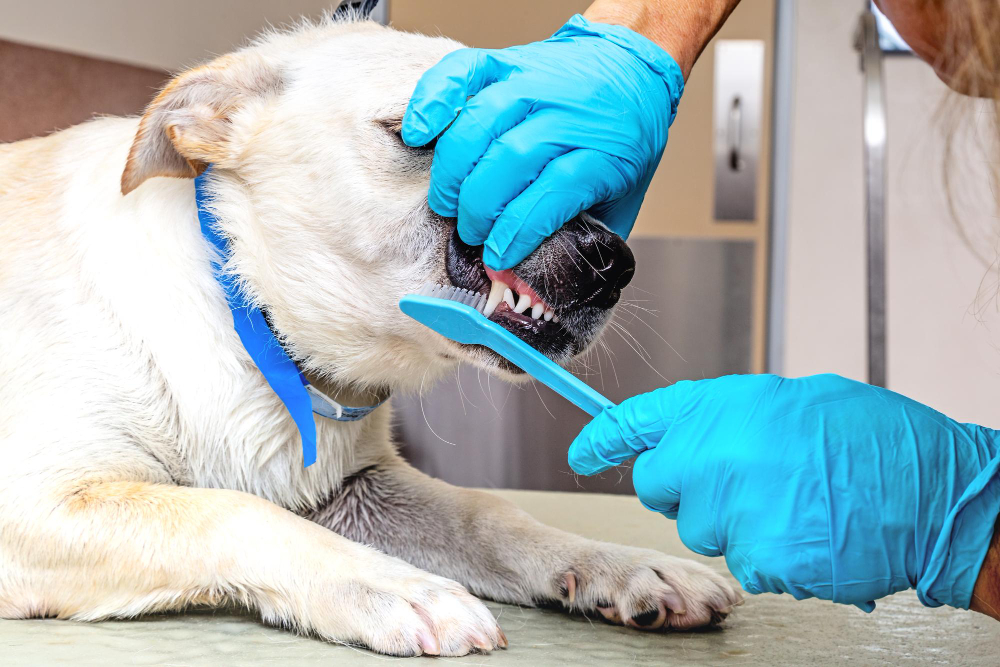
Preventing pet dental issues is easier than treating them. Here are some tips to help keep your pet’s mouth healthy:
Moreover, starting dental care early in life helps prevent problems as your pet ages.
When to See a Veterinarian
Although some dental issues can be managed at home, you should see a veterinarian if:
Early treatment can prevent more serious health problems.
Conclusion
Dental problems in dogs and cats are common but can be managed with good care. By watching for signs of dental disease in pets and following prevention tips, you can help your pet stay healthy. Consult a veterinarian for personalized advice on your pet’s dental health.