
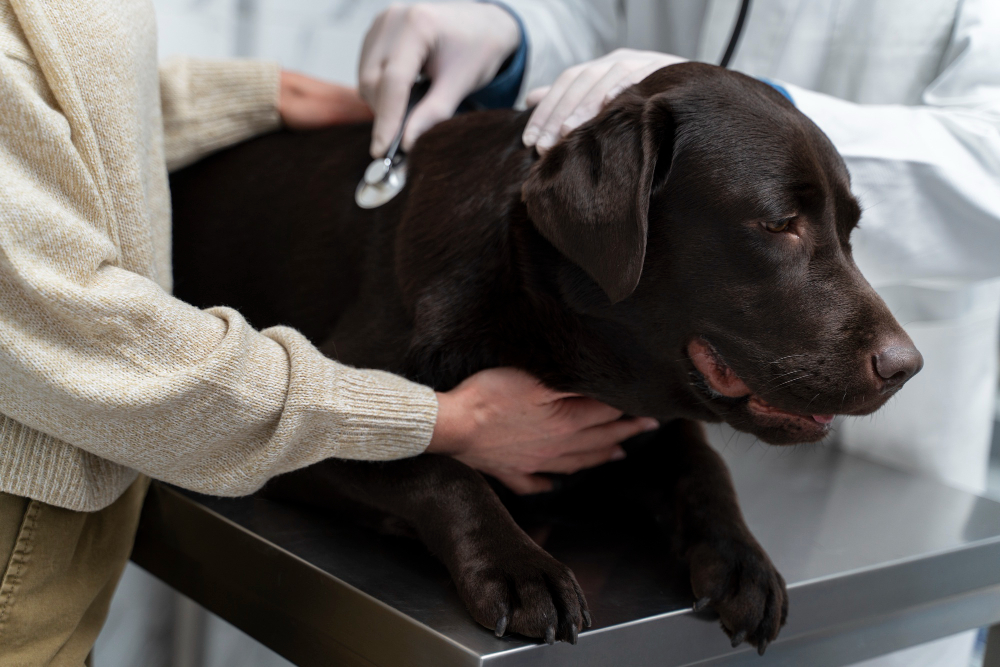
Heartworm disease in dogs is a serious and sometimes deadly illness. It is caused by worms that live in the heart and lungs of dogs. Because heartworm disease in dogs can be prevented, it is important for pet owners to understand the risks and how to protect their pets. In this guide, you will learn about symptoms, prevention, and treatment options for heartworm disease in dogs.
What is Heartworm Disease in Dogs?
Heartworm disease is caused by a parasite called Dirofilaria immitis. These worms are spread by mosquitoes. When a mosquito bites an infected animal, it picks up tiny baby worms. Later, the mosquito can pass these worms to another dog. Over time, the worms grow and live in the dog’s heart, lungs, and blood vessels. As a result, heartworm disease can cause lasting damage to a dog’s health.
Symptoms of Heartworm Disease
At first, many dogs show no signs. However, as the disease gets worse, symptoms may appear. Early detection is important. Watch for these signs:
Sometimes, dogs may faint or collapse. If you notice any of these symptoms, contact your veterinarian right away. Early treatment can make a big difference.
How Heartworm Disease is Diagnosed
Veterinarians use simple blood tests to check for heartworm disease. First, your vet will take a small blood sample from your dog. Then, the sample is tested for signs of heartworm infection. In some cases, your vet may also use X-rays or ultrasound to see how much damage the worms have caused. Because heartworm disease can be hard to spot early, regular testing is important for all dogs, even if they seem healthy.
Prevention of Heartworm Disease in Dogs
Preventing heartworm disease is much easier than treating it. There are several safe and effective ways to protect your dog:
Because mosquitoes can be active year-round in some areas, it is best to give prevention medicine all year. In addition, regular vet check-ups help catch any problems early. According to the American Heartworm Society, prevention is the best way to keep your dog safe.
Treatment Options for Heartworm Disease
If your dog tests positive for heartworm disease, treatment is available. However, it can be costly and hard on your pet. Treatment usually includes:
Sometimes, your vet may use antibiotics or other medicines to help your dog recover. Because treatment can be risky, your vet will create a plan that is safe for your pet. Early diagnosis makes treatment safer and more effective.
Tips for Dog Owners: Keeping Your Pet Safe
There are simple steps you can take to protect your dog from heartworm disease:
By following these tips, you can help your dog stay healthy and happy. Prevention is always easier than treatment.
For more information, visit trusted sources like the American Heartworm Society or the CDC. Always consult your veterinarian for personalized advice on heartworm prevention and treatment for your dog.