
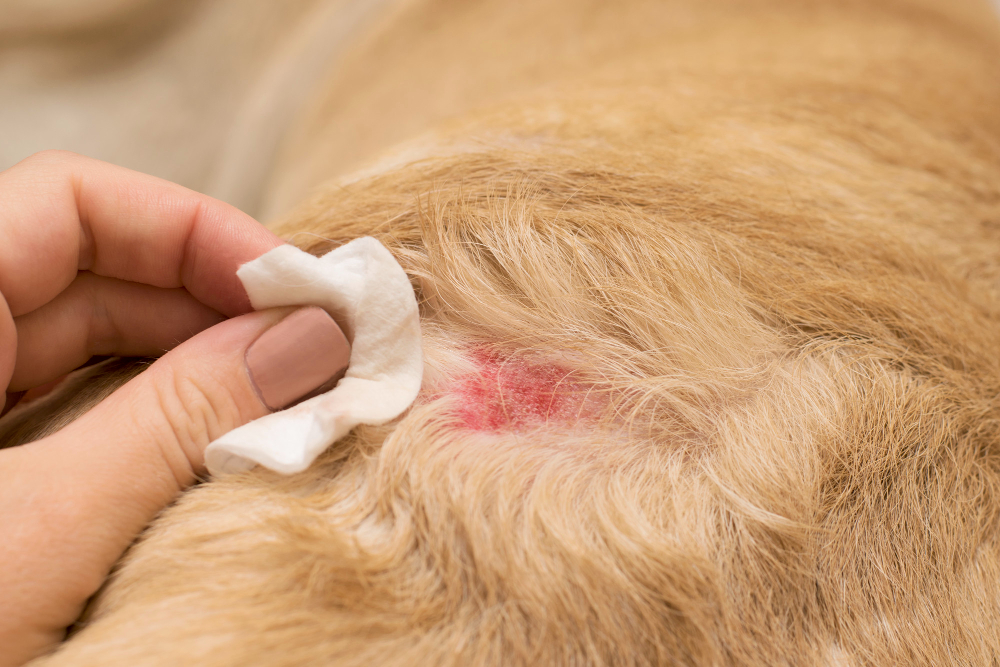
Introduction to Common Skin Conditions in Dogs and Cats
Many pet owners worry about common skin conditions in dogs and cats. These issues can cause itching, redness, or hair loss. Early care helps your pet feel better. In this blog, you will learn about dog skin problems, cat skin issues, and how to treat pet skin conditions. Understanding these problems can help you keep your pet healthy and happy.
Most Frequent Skin Conditions in Dogs and Cats
Pets can develop many types of skin problems. Some are mild, while others need quick treatment. Below are the most common skin conditions:
Symptoms and Warning Signs to Watch For
It is important to spot skin problems early. Look for these signs in your dog or cat:
If you notice any of these, your pet may have a skin issue. Early action can prevent problems from getting worse.
Causes and Risk Factors
Many things can cause skin problems in pets. For example, some breeds are more likely to have allergies. Other causes include:
Additionally, pets living in warm, humid areas may face more skin issues. Regular care can lower these risks.
Diagnosis: How Veterinarians Identify Skin Conditions
Veterinarians use several steps to diagnose skin problems. First, they will ask about your pet’s history and symptoms. Next, they may examine the skin closely. Sometimes, they take samples for testing. For example, a vet might use a skin scrape or hair sample. Blood tests or allergy tests may also help. Early diagnosis leads to better treatment and faster relief for your pet.
Treatment Options for Pet Skin Conditions
Treatment depends on the cause of the skin problem. Here are some common options:
However, if your pet’s skin does not improve, see your vet. Never use human medicines on pets without advice.
Prevention Tips and Lifestyle Guidance for Pet Owners
Preventing skin problems is easier than treating them. Try these pet skin care tips:
In some regions, pets may need extra care during hot or humid months. Always ask your vet for advice suited to your area.
When to Seek Professional Help
Sometimes, home care is not enough. If your pet’s skin problem gets worse, or if you see bleeding, pus, or signs of pain, contact your vet right away. Also, if your pet seems tired or stops eating, seek help. Quick action can prevent serious health issues.
For more information, you can visit trusted sources like the American Veterinary Medical Association (AVMA) or the World Small Animal Veterinary Association (WSAVA).
Consult your veterinarian for personalized advice on your pet’s skin health.