
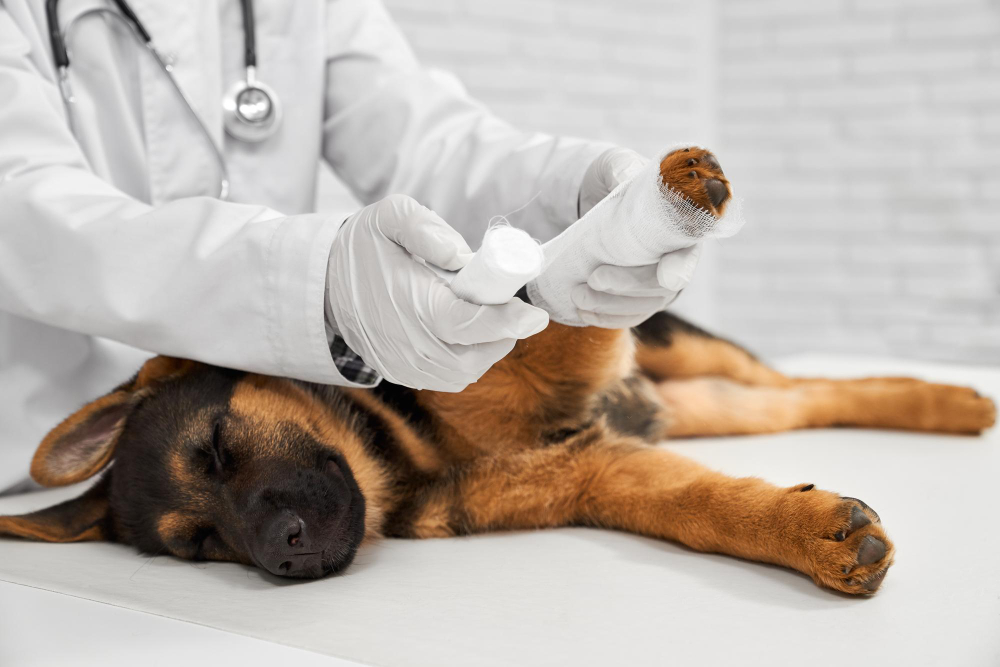
After your pet has surgery, caring for them at home is very important. Post-surgery care tips for your pet at home can help your furry friend heal faster and avoid problems. While your vet will give you instructions, knowing what to expect helps you feel more confident. In this guide, you will find simple steps for pet surgery recovery at home. You will also learn how to spot warning signs and keep your pet comfortable. Let’s explore how to care for pets after surgery and make their recovery smooth.
Recognizing Normal vs. Concerning Symptoms
After surgery, your pet may act differently. However, some changes are normal, while others need quick attention. Knowing what to watch for helps you respond quickly if needed.
Always trust your instincts. If something feels wrong, it’s better to ask your vet.
Essential Home Care Steps After Pet Surgery
Proper home care is key for a smooth recovery. Even small steps can make a big difference. Here are some important postoperative pet care tips:
For more details, the American Veterinary Medical Association (AVMA) offers helpful guides on pet surgery recovery at home.
Medication Management and Pain Relief
Giving medicine on time helps your pet feel better. But, it is important to follow your vet’s instructions closely. Here’s how you can manage medications safely:
Additionally, watch for side effects like vomiting or loss of appetite. If you notice any, contact your vet.
Nutrition and Hydration Tips
Good food and water help your pet heal. However, some pets may not want to eat right after surgery. Here are some nutrition and hydration tips:
According to the World Small Animal Veterinary Association (WSAVA), proper nutrition supports faster healing.
Activity Restrictions and Safe Environment
Rest is important for recovery. But, pets may want to move too soon. To keep your pet safe, follow these steps:
For extra safety, create a calm space with their favorite blanket or toy.
Preventing Infections and Complications
Preventing infection is a top priority after surgery. Even small steps help protect your pet. Here’s what you can do:
If you notice any unusual changes, contact your vet quickly. Early action can prevent bigger problems.
When to Contact Your Veterinarian
Sometimes, you may need extra help. But, knowing when to call your vet is important. Contact your veterinarian if:
Additionally, if you have any doubts, it is always best to ask your vet. They can give advice for your pet’s unique needs.
In summary, caring for your pet after surgery takes patience and attention. However, with these post-surgery care tips for your pet at home, you can help your furry friend recover safely. For the best results, consult your veterinarian for personalized advice on your pet’s recovery.