
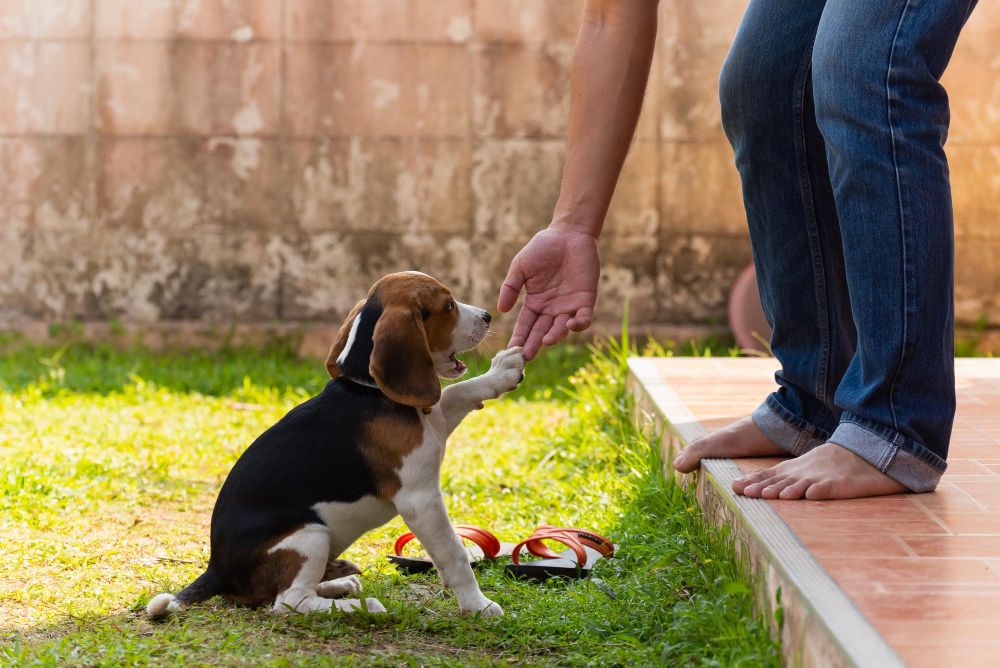
Raising a puppy is exciting, but it also brings challenges. Puppy training basics, including socialization and obedience tips, help your new friend grow into a happy, well-behaved dog. Early training builds trust and keeps your puppy safe. In this guide, you will learn why socialization and obedience matter, plus simple steps to get started.
What Is Puppy Socialization?
Puppy socialization means gently introducing your puppy to new people, places, sounds, and other animals. For example, you might let your puppy meet friendly neighbors or hear the vacuum cleaner. Because puppies are curious, early socialization helps them feel safe in different situations. According to the American Kennel Club (AKC), socialization should start as soon as your puppy comes home, usually around 8 weeks old.
Why Early Socialization Matters
Early socialization shapes how your puppy reacts to the world. If you wait too long, your puppy may become fearful or shy. However, when you start early, your puppy learns to stay calm and friendly. This can prevent behavior problems later. In fact, the American Veterinary Medical Association (AVMA) says puppies who meet many people and animals early are less likely to develop aggression or anxiety.
Obedience Training Essentials
Obedience training teaches your puppy to listen and follow simple commands. For instance, “sit,” “stay,” and “come” are basic commands every puppy should know. Not only does this make life easier, but it also keeps your puppy safe. With clear rules, puppies feel more secure. Most experts recommend using positive reinforcement, such as treats or praise, to reward good behavior.
Step-by-Step Puppy Training Tips
Common Mistakes to Avoid
Even with the best intentions, mistakes can happen. But you can avoid them with a few tips. First, do not use harsh punishment. Instead, focus on gentle guidance. Also, avoid skipping socialization. If you keep your puppy isolated, they may become fearful. Another mistake is expecting too much too soon. Remember, puppies need time to learn. Finally, do not forget to reward good behavior, as this helps your puppy understand what you want.
Helpful Resources and Tools
Many resources can help you with puppy training. For example, the AKC and AVMA offer free guides online. You can also find puppy training classes in your area. Some helpful tools include:
Because every puppy is different, you may need to try a few tools to see what works best.
Prevention and Long-Term Success
Training does not stop after a few weeks. Instead, keep practicing socialization and obedience as your puppy grows. This helps prevent bad habits and keeps your dog friendly. For long-term success, make training a fun part of your daily routine. If you notice any behavior problems, address them early. Sometimes, you may need help from a professional trainer.
For the best results, consult a certified dog trainer or veterinarian for personalized puppy training guidance. Your puppy will thank you with a lifetime of good behavior and love.