
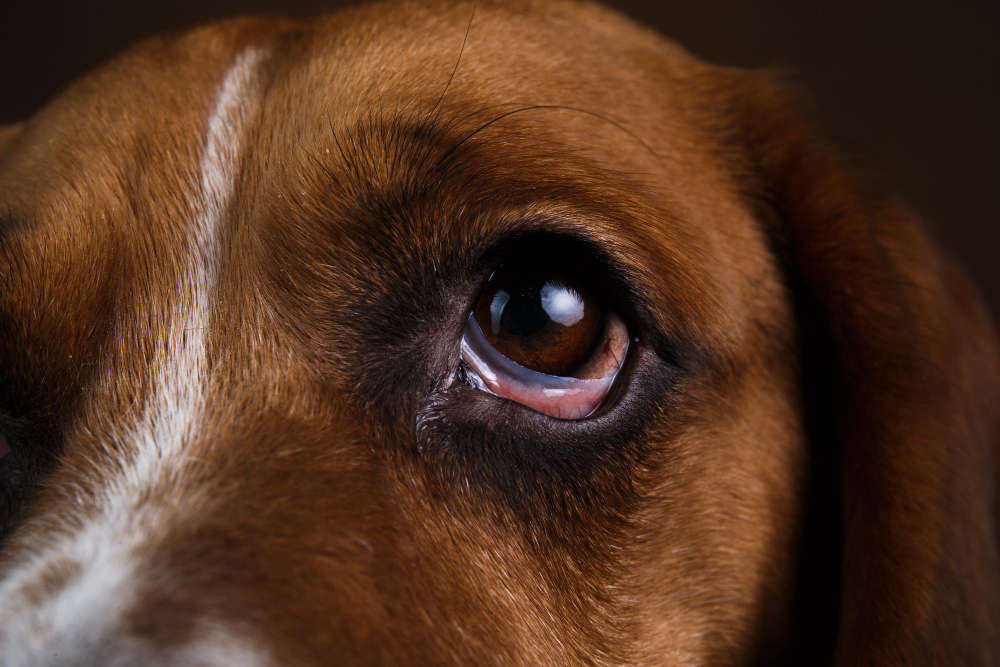
What Are Pet Eye Injuries?
Pet eye injuries are any harm or damage to your pet’s eyes. These injuries can happen suddenly or develop over time. Because eyes are delicate, even small injuries can cause pain or vision loss. Therefore, quick action is important. Pet eye injuries can affect dogs, cats, and other animals. Early care helps prevent serious problems.
Common Causes of Eye Injuries in Pets
Many things can cause pet eye injuries. Some injuries happen during play or fights. Others result from accidents or foreign objects. Here are common causes:
Because pets are curious, they often get into situations that risk their eyes. For example, outdoor pets may face more hazards.
Recognizing Symptoms of Eye Injuries
It is important to spot signs of eye injury early. While some symptoms are easy to see, others may be subtle. Watch for these signs:
If you notice any of these symptoms, act quickly. Early care can prevent lasting damage.
Immediate Actions to Take at Home
If your pet has an eye injury, stay calm. Quick and gentle first aid can help before you reach a vet. Here are steps for pet eye injury first aid:
Even if symptoms seem mild, it is best to seek professional help. Some injuries may look small but can get worse quickly.
When to Seek Veterinary Care
Some eye injuries need urgent veterinary care. For example, deep cuts, bleeding, or sudden vision loss are emergencies. Seek help if you notice:
Because eye injuries can get worse fast, do not wait. Find a local veterinary clinic or emergency animal hospital if needed.
Diagnosis and Treatment Options
At the clinic, the veterinarian will examine your pet’s eye. They may use special lights or dyes to check for scratches or ulcers. Sometimes, they will test for pressure or infection. Common treatments include:
With prompt veterinary eye care, most pets recover well. However, follow your vet’s instructions closely for the best outcome.
Preventing Pet Eye Injuries
While not all injuries can be avoided, you can lower the risk. Here are some tips to protect your pet’s eyes:
Additionally, regular vet check-ups help catch problems early. Prevention is always better than cure.
Frequently Asked Questions (FAQ)
Can I treat pet eye injuries at home?
You can give basic first aid, such as flushing with clean water. However, always consult a veterinarian for proper care.
What are signs of eye injury in dogs and cats?
Look for redness, discharge, squinting, pawing at the face, or changes in vision. If you see these, seek help.
How soon should I see a vet?
For any eye injury, it is best to see a vet as soon as possible. Early treatment prevents serious problems.
Is it safe to use human eye drops on pets?
No, do not use human eye drops unless your vet says it is safe. Some products can harm your pet’s eyes.
Conclusion and Call-to-Action
Pet eye injuries can be serious, but quick action makes a big difference. If your pet shows signs of an eye injury, consult a veterinarian immediately for expert care. Early treatment helps protect your pet’s sight and comfort.