
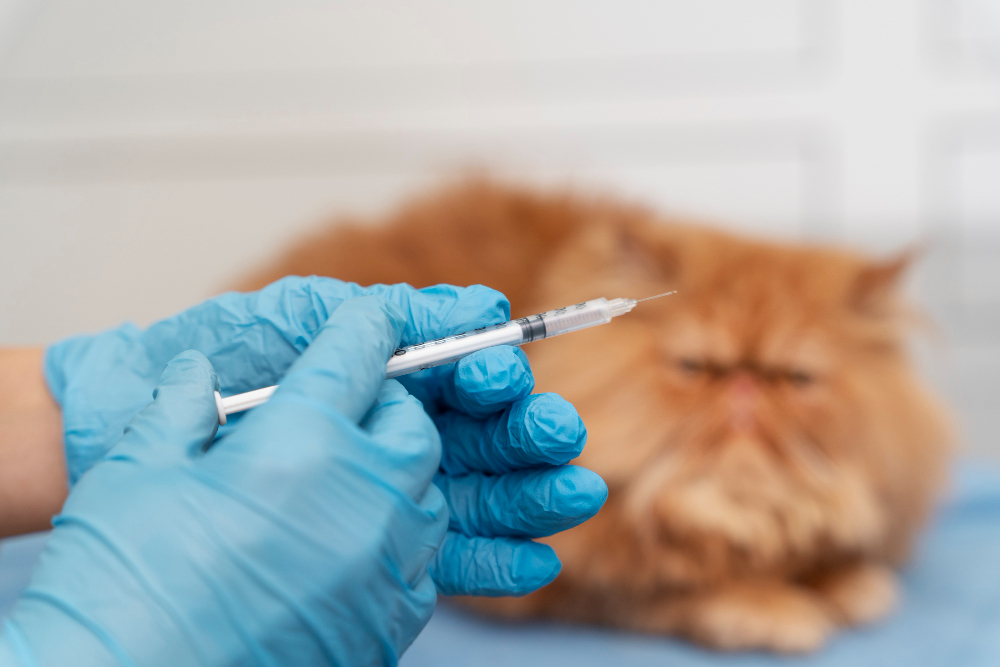
Introduction to Core Vaccines for Dogs and Cats
Keeping your pets healthy is a top priority. One of the best ways to protect them is through core vaccines. Core vaccines every dog & cat should receive help prevent serious diseases. These essential pet vaccines are recommended by experts like the American Veterinary Medical Association (AVMA). In this guide, you will learn why these vaccines matter and how they keep your pets safe.
Why Core Vaccines Are Important
First, core vaccines protect pets from deadly diseases. Some illnesses can spread quickly between animals or even to people. Because of this, vaccines are a key part of pet health protection. In addition, vaccines help stop outbreaks in your community. When most pets are vaccinated, everyone is safer. Also, many places require certain vaccines by law. So, keeping up with vaccines is not just good for your pet, but for everyone.
List of Core Vaccines for Dogs
Dogs need several core vaccines to stay healthy. According to the AVMA and World Health Organization, these are the main ones:
Each of these vaccines is part of the essential pet vaccines list for dogs. Your veterinarian will guide you on the best dog vaccination schedule.
List of Core Vaccines for Cats
Cats also need core vaccines to stay safe. The AVMA and other experts recommend these main vaccines:
These vaccines are part of every cat vaccination guide. Your vet will help you choose the right plan for your cat.
Recommended Vaccination Schedules
It is important to follow a proper vaccination schedule. Puppies and kittens need several shots in their first year. After that, booster shots keep them protected. Here is a general guide:
However, every pet is different. Your veterinarian will create a dog vaccination schedule or cat vaccination guide that fits your pet’s needs.
Common Myths and Facts About Pet Vaccines
Many myths about pet vaccines can cause confusion. Let’s clear up some common ones:
According to peer-reviewed veterinary journals, vaccines are safe and effective for most pets.
Tips for Pet Owners on Vaccination Visits
Going to the vet for vaccines can be easy with a few tips:
With these steps, your pet’s vaccination visit will go smoothly.
Prevention and Long-Term Health Benefits
Vaccines do more than prevent disease. They help your pet live a longer, healthier life. Because vaccines stop the spread of illness, your whole family is safer. Also, regular vaccines can save you money by avoiding costly treatments for preventable diseases. Over time, keeping up with essential pet vaccines means fewer worries and more happy moments with your furry friend.
In summary, core vaccines every dog & cat should receive are vital for pet health protection. For the best care, consult your veterinarian to ensure your pet receives the right core vaccines at the right time.