
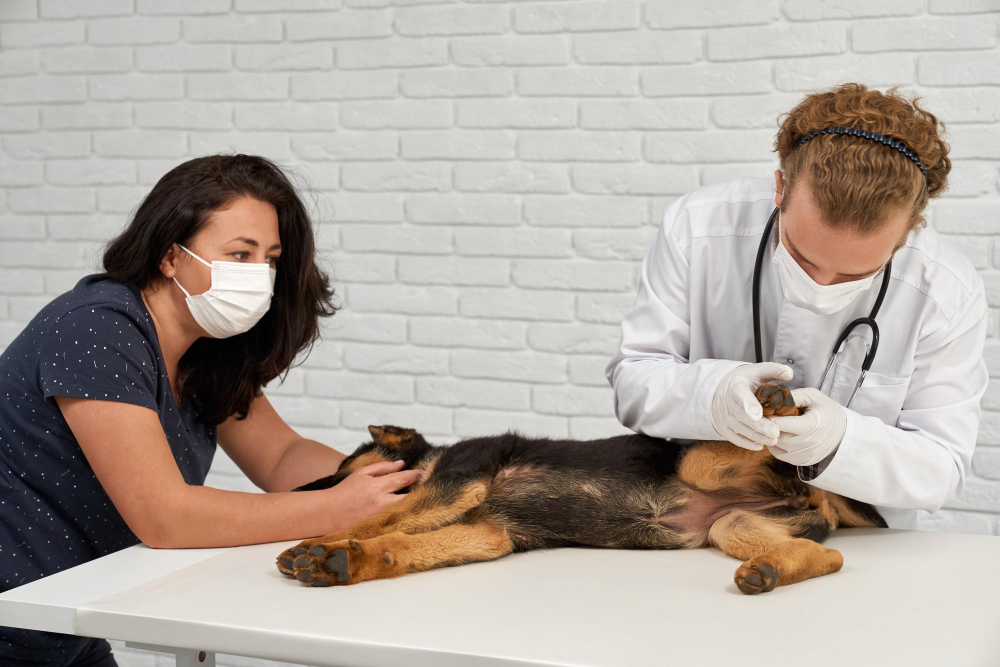
What is Heartworm Disease?
Heartworm disease is a serious illness caused by worms living in the heart and lungs of pets. These worms can grow up to a foot long. They mostly affect dogs, but cats and other animals can get them too. Early heartworm prevention and treatment are important to keep your pets healthy. According to the American Heartworm Society, heartworm disease can be deadly if not treated.
Symptoms of Heartworm Infection
At first, pets may not show signs of heartworm. However, as the disease gets worse, symptoms can appear. Watch for these common heartworm symptoms:
If you notice any of these signs, contact your veterinarian right away. Early action can help your pet recover faster.
Causes and Transmission of Heartworm
Heartworm spreads through mosquito bites. When a mosquito bites an infected animal, it picks up tiny baby worms. Later, the mosquito can bite another pet and pass on the worms. Over time, these worms grow and cause heartworm disease. Because mosquitoes are everywhere, all pets are at risk, even those who stay indoors.
Diagnosis Methods
Veterinarians use simple tests to check for heartworm. First, they take a small blood sample from your pet. Then, they look for signs of heartworm infection in the blood. Sometimes, they may use X-rays or ultrasound to see how much damage the worms have caused. Early diagnosis helps with better heartworm prevention and treatment.
Prevention Strategies
Preventing heartworm is easier than treating it. Here are some top ways to protect your pets:
Many safe and effective medicines are available for heartworm prevention in dogs and cats. Your vet can help you choose the best one for your pet.
Treatment Options
If your pet tests positive for heartworm, do not panic. Treatment is available, but it can be costly and take time. The main steps include:
Some pets may need extra care if the disease is advanced. Your vet will guide you on how to treat heartworm safely.
Tips for Pet Owners to Protect Their Animals
Protecting pets from heartworm is simple with the right steps. Here are some helpful tips:
By staying alert, you can keep your pets safe from heartworm disease.
Frequently Asked Questions (FAQs)
Conclusion
Heartworm prevention and treatment are key to keeping your pets healthy. Because heartworm can be deadly, it is important to act early. Always follow your veterinarian’s advice and keep up with regular check-ups. For personalized advice on heartworm prevention and treatment, consult your veterinarian today.