
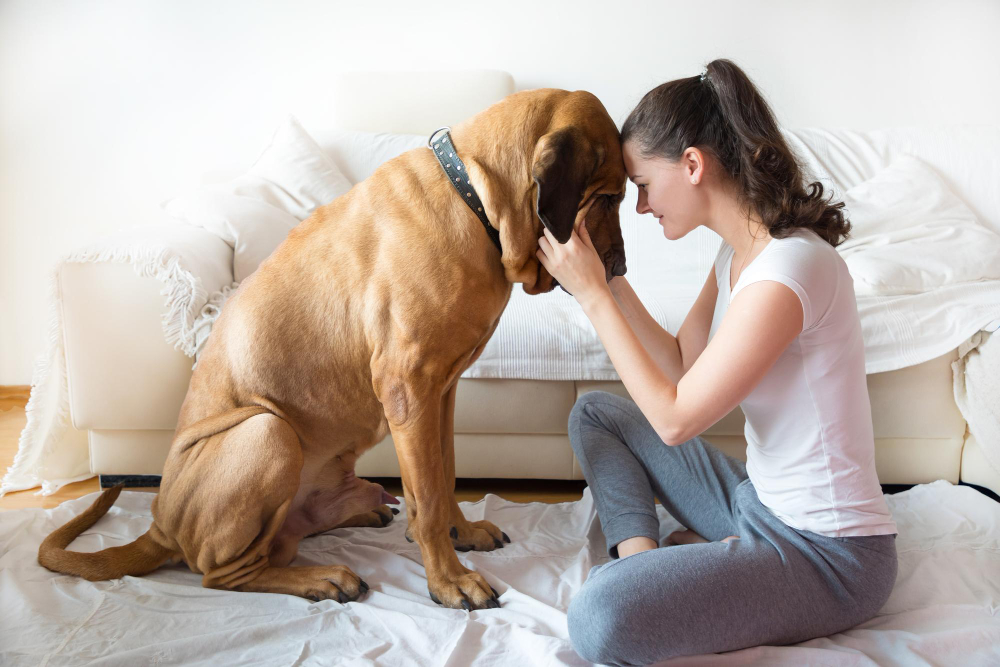
Introduction to Pet Anxiety
Many pets feel anxious at times. Pet anxiety is a common issue for both dogs and cats. It can affect your pet’s health and happiness. Because pets cannot tell us how they feel, it is important to notice changes in their behavior. Early help can make a big difference. According to the American Veterinary Medical Association (AVMA), pet anxiety can lead to stress and unwanted behaviors. Understanding pet anxiety helps you support your furry friend.
Common Causes of Pet Anxiety
There are many reasons why pets may feel anxious. Some causes are easy to spot, while others are less obvious. For example, changes in the home can upset pets. In addition, loud noises or new people may make them nervous. Here are some common causes:
Sometimes, even a new pet in the house can cause stress. Therefore, it is important to watch for changes after any big event.
Recognizable Signs and Symptoms in Pets
Spotting signs of anxiety in pets is key. While each pet is different, some signs are common. For instance, anxious pets may hide or act restless. You might also notice these symptoms:
However, some pets show only mild signs. If you see any of these behaviors, your pet may be feeling anxious.
Diagnosis and When to Seek Professional Help
Sometimes, pet anxiety can look like other health problems. Because of this, it is wise to talk to your veterinarian if you notice changes. Your vet will ask about your pet’s behavior and health. They may also do a check-up to rule out illness. If needed, your vet can suggest a treatment plan. In some cases, they may refer you to a pet behaviorist. Early help can prevent anxiety from getting worse.
Effective Coping Strategies and Treatments
There are many ways to help an anxious pet. Often, a mix of methods works best. Here are some proven coping strategies:
Additionally, spending extra time with your pet can help. Gentle play or walks can reduce stress.
Lifestyle Tips for Pet Owners to Prevent or Reduce Anxiety
Simple changes can make a big difference for anxious pets. For example, regular exercise helps burn off nervous energy. Also, try these tips:
If you live in a busy city, consider using white noise to block outside sounds. In addition, talk to other pet owners in your area for support and advice.
Prevention Strategies and Long-Term Management
Preventing pet anxiety is easier than treating it later. Start by socializing your pet early. Expose them to new sights and sounds in a gentle way. Over time, this builds confidence. For long-term management, keep up with regular vet visits. Monitor your pet’s behavior and adjust routines as needed. If your pet has a history of anxiety, work with your vet to create a plan. Remember, patience and consistency are key.
Conclusion
Pet anxiety is common, but you can help your pet feel safe and calm. Watch for signs of anxiety in pets and act early. Use coping strategies and talk to your vet for the best advice. For personalized help, consult your veterinarian for advice on managing pet anxiety.