
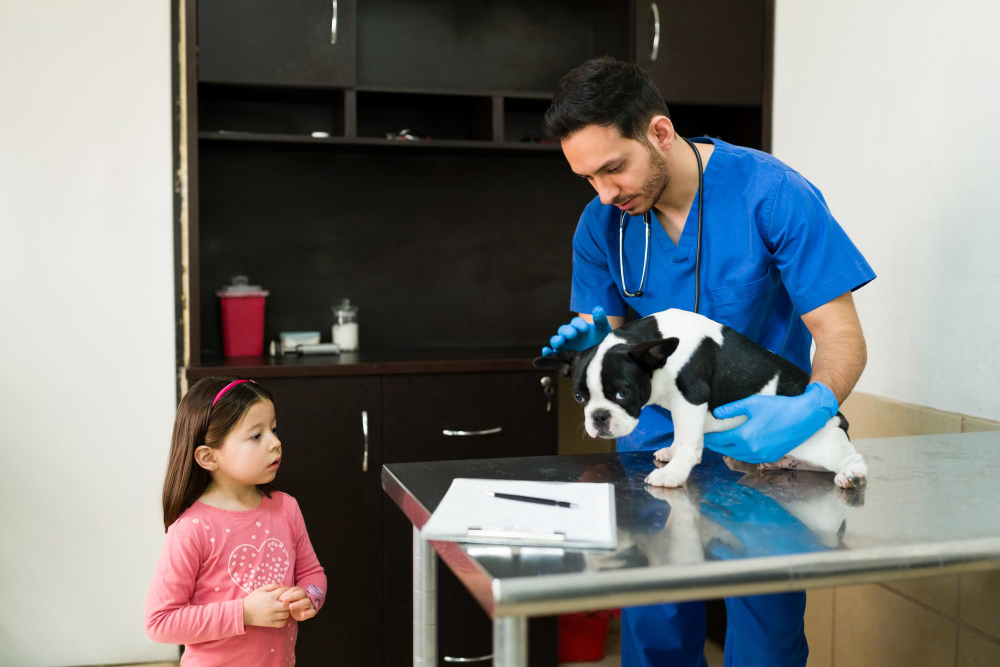
Pets are part of our families. Because they cannot speak, it is important to watch for signs your pet needs a check‑up. Early action can help keep your pet healthy and happy. Knowing when to call the vet can prevent small problems from becoming serious. This guide will help you spot common pet symptoms and understand when to seek veterinary care.
Common Signs Your Pet Needs a Check‑Up
Sometimes, pets show clear signs when they are not feeling well. However, these signs can be easy to miss. For example, a pet may hide or act differently. Here are some common signs your pet needs a check‑up:
If you notice any of these signs, it is wise to call your vet. According to the American Veterinary Medical Association (AVMA), regular check‑ups help catch health problems early.
Behavioral Changes to Watch For
Often, pets show illness through changes in behavior. For instance, a friendly pet may become withdrawn. On the other hand, a calm pet may act restless. Look for these behavioral changes:
Because pets cannot tell us how they feel, these changes can be important clues. If you see sudden or lasting changes, contact your veterinarian for advice.
Physical Symptoms That Require Attention
Physical symptoms can signal health problems in pets. Sometimes, these symptoms are easy to spot. Other times, they are subtle. Watch for:
Additionally, any wound that does not heal should be checked by a vet. Early treatment can prevent infections and other issues.
When to Call the Vet Immediately
Some signs mean you should call the vet right away. Quick action can save your pet’s life. Call your veterinarian or an emergency clinic if your pet:
In these cases, do not wait. Even a few minutes can make a big difference. The American Veterinary Medical Association recommends calling your vet or an emergency clinic for urgent help.
Preventive Care and Regular Vet Visits
While watching for signs is important, regular vet visits are key to keeping your pet healthy. Preventive care helps catch problems early. Your vet may suggest:
Because pets age faster than people, they need regular exams. According to the CDC, preventive care can help pets live longer, healthier lives.
Tips for Preparing for a Vet Visit
Preparing for a vet visit can help reduce stress for both you and your pet. Here are some tips:
Additionally, try to stay calm. Pets often sense your mood, so a calm attitude can help them feel safe.
Conclusion
In summary, knowing the signs your pet needs a check‑up can help you act quickly. Watch for changes in behavior, eating, and physical health. If you notice any of these signs, consult a veterinarian for personalized advice. Regular check‑ups and preventive care are the best ways to keep your pet healthy and happy.