Many pet owners want their furry friends to live long, happy lives. However, obesity can harm your pet’s health and longevity. In fact, overweight pets face many health risks that can shorten their lifespan. Understanding how obesity impacts your pet’s health and longevity is important for every pet owner. This guide explains what pet obesity is, its causes, health risks, and how you can help your pet stay healthy.
What Is Pet Obesity?
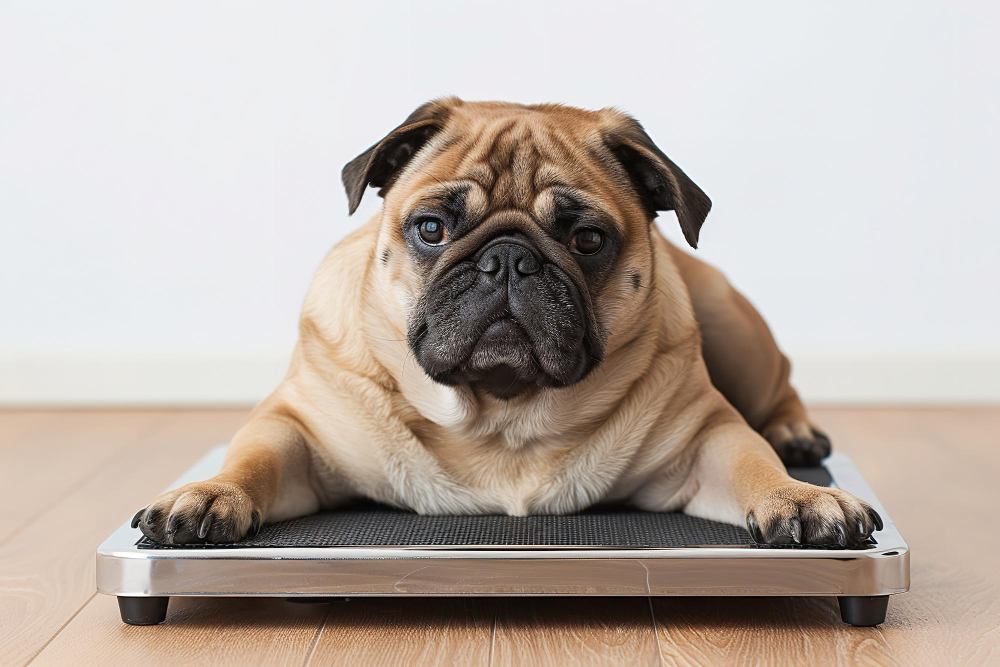
Pet obesity means your dog or cat has too much body fat. Usually, a pet is considered obese if it weighs at least 20% more than its ideal weight. Because pets come in many shapes and sizes, a veterinarian can help decide if your pet is overweight. Obesity is a growing problem in pets worldwide, according to the American Veterinary Medical Association (AVMA).
Common Causes of Obesity in Pets
There are several reasons pets gain too much weight. For example, some pets eat more calories than they burn. Other times, pets do not get enough exercise. Here are some common causes:
Because each pet is different, it is important to watch their eating and activity habits closely.
Health Risks Associated with Pet Obesity
Obesity can lead to many serious health problems in pets. For instance, overweight pets are more likely to develop:
Additionally, extra weight puts stress on your pet’s body. As a result, they may have trouble moving or playing. According to the AVMA, these health risks can lower your pet’s quality of life.
How Obesity Affects Your Pet’s Lifespan
Obesity does not just cause health problems. It can also shorten your pet’s life. Studies show that overweight dogs and cats often live shorter lives than pets at a healthy weight. Because extra fat strains the heart and organs, pets may develop diseases earlier. Therefore, keeping your pet at a healthy weight can help them live longer and feel better.
Signs Your Pet May Be Overweight
It is not always easy to tell if your pet is overweight. However, you can look for these signs:
If you notice these signs, it may be time to check your pet’s weight with your veterinarian.
Prevention and Management Tips
Fortunately, you can help your pet reach and maintain a healthy weight. Here are some tips:
Because every pet is unique, your veterinarian can help create a safe weight loss plan.
When to Consult a Veterinarian
If you think your pet is overweight, it is best to talk to your veterinarian. They can check your pet’s body condition and suggest the right diet and exercise plan. Sometimes, weight gain is caused by a medical problem. Therefore, a vet visit can help rule out health issues. Early action can prevent serious problems and help your pet live a longer, healthier life.
In summary, obesity can harm your pet’s health and shorten their life. However, with the right care, you can help your pet stay healthy. Consult your veterinarian for personalized advice on managing your pet’s weight and health.