
What Is Rabies and Why Is It Dangerous?
Rabies is a deadly virus that affects the brain and nerves. It spreads through the bite or scratch of an infected animal. Once symptoms appear, rabies is almost always fatal. Because of this, rabies is a serious health threat for both people and animals. According to the World Health Organization (WHO), rabies causes thousands of deaths each year, mostly in Asia and Africa. However, rabies can be prevented with timely vaccination.
Importance of Rabies Vaccination for Humans and Animals
Rabies vaccination importance cannot be overstated. Vaccines protect people and animals from this deadly disease. For pets, vaccination stops the spread of rabies to humans and other animals. For people, getting vaccinated after a possible exposure can save lives. In many countries, rabies vaccination has helped reduce the number of cases. Because of these benefits, health experts recommend regular rabies shots for pets and at-risk people.
Legal Requirements for Rabies Vaccination
Many places have strict rabies vaccine legal requirements. These laws help keep communities safe. For example, in the United States, most states require dogs and sometimes cats to get regular rabies shots. Some countries also require proof of rabies vaccination for pets traveling across borders. Globally, the World Organisation for Animal Health (WOAH) sets standards for rabies prevention laws. Local rules may differ, so always check with your city or region for details.
Who Should Get Vaccinated and When?
Not everyone needs a rabies shot, but some groups are at higher risk. You should consider rabies vaccination if you:
Pets usually get their first rabies shot at three to four months old. After that, booster shots are needed every one to three years, depending on local laws. People exposed to rabies need a series of shots right away. In some cases, people at high risk may get vaccinated before any exposure.
How the Vaccination Process Works
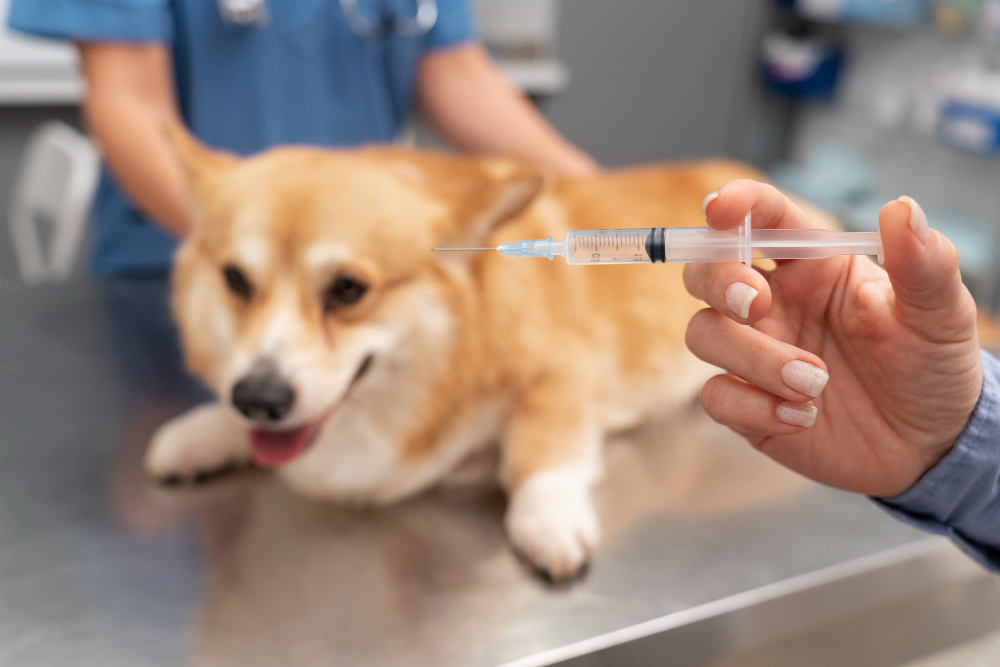
Getting a rabies vaccine is simple. For pets, a vet gives the shot in the clinic. You will get a certificate as proof. For people, the vaccine is given as a series of shots in the arm. If you are exposed to rabies, you may also need a special medicine called rabies immune globulin. This helps your body fight the virus until the vaccine starts to work. Always follow your doctor’s or vet’s advice for the best protection.
Consequences of Non-Compliance with Legal Requirements
Not following rabies prevention laws can have serious results. You may face fines or legal action if your pet is not vaccinated. In some cases, unvaccinated pets may be taken away or put down after biting someone. More importantly, skipping rabies shots puts your family and community at risk. Because rabies is deadly, legal rules are strict to keep everyone safe.
Common Myths and Facts About Rabies Vaccination
Prevention Tips and Responsible Pet Ownership
There are many ways to prevent rabies and follow rabies prevention laws. Here are some tips:
By following these steps, you help protect your family and your community.
Conclusion
Rabies vaccination importance goes beyond personal safety. It is a key part of public health and legal responsibility. Because rabies is deadly but preventable, staying informed and following rabies vaccine legal requirements is vital. For more details, consult your healthcare provider or local authorities for personalized guidance on rabies vaccination and legal requirements.